
TEAM
With over 35 years of combined experience in religious, educational, and healthcare projects, our team brings together formal training, expertise in traditional and fine arts, knowledge of modern fabrication methods, and a comprehensive understanding of the building process—from master planning through dedication. We are equally comfortable working with parish committees and diocesan offices, collaborating with artists and craftsmen in the studio, and coordinating with trades in the field.
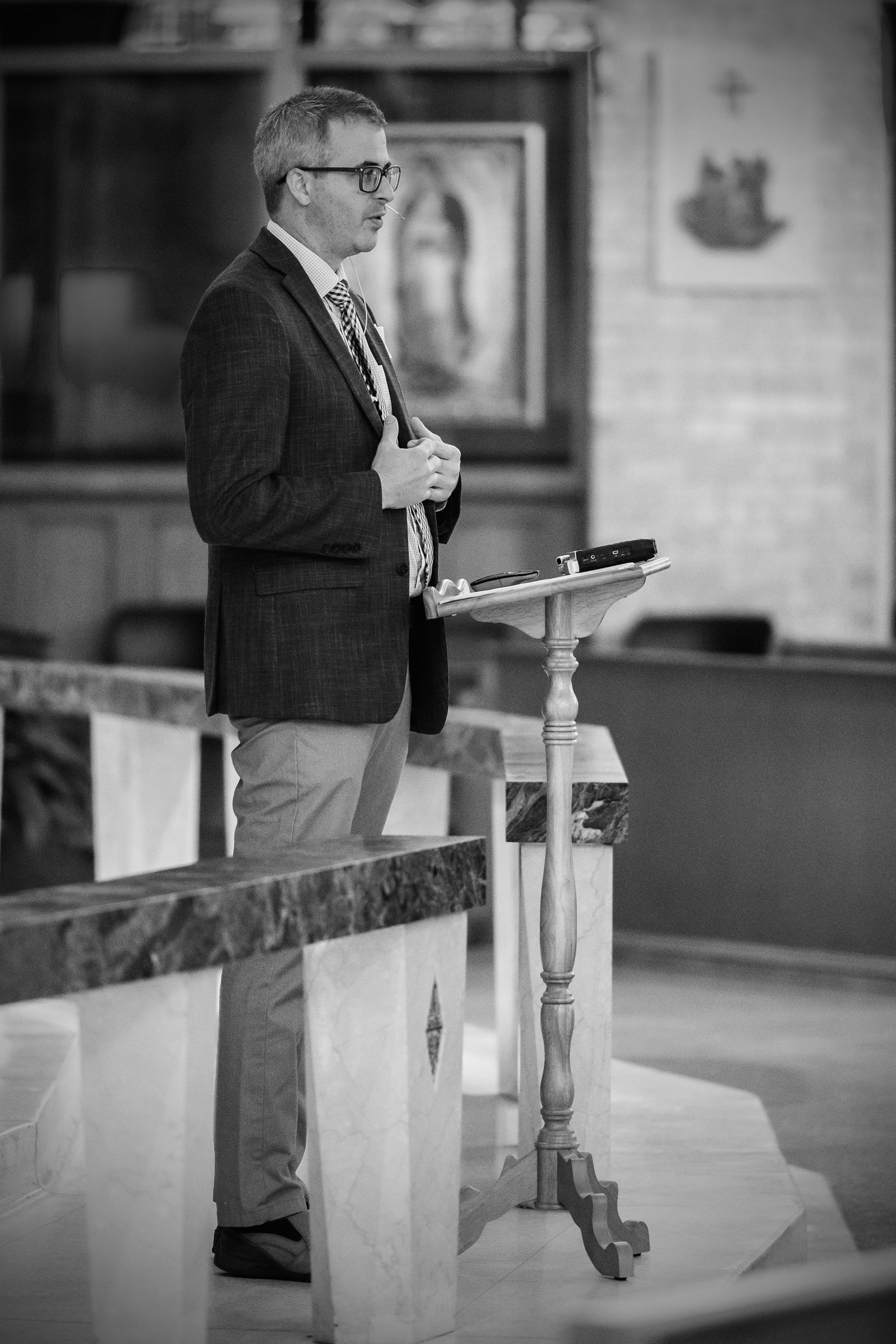
WILLIAM FRANK
William Frank is an award-winning multidisciplinary artist and designer with extensive experience in liturgical design. He has extensive experience in consulting and design for both renovations and new construction and has led approximately forty major commissions.
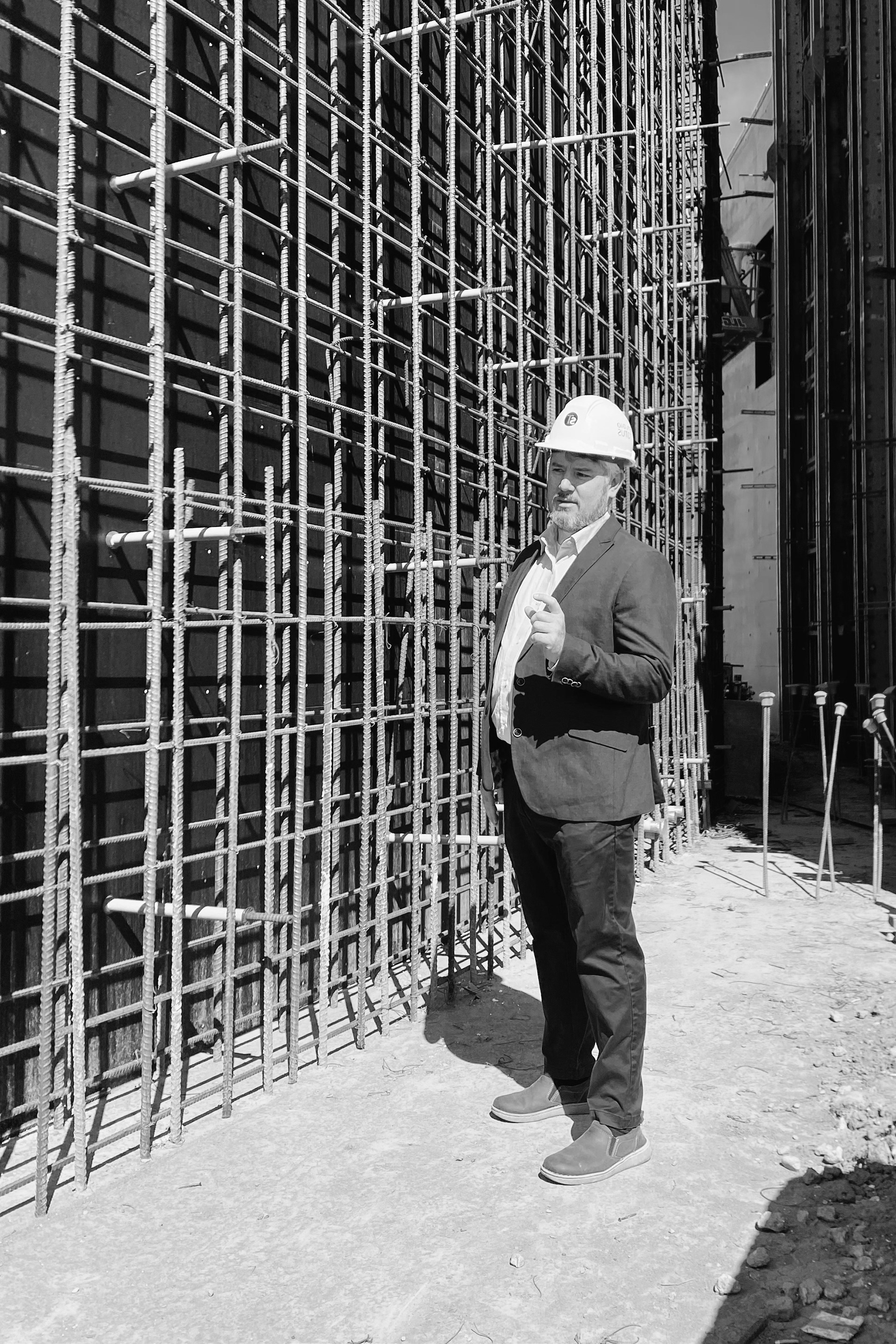
JOHN WHEADON
John Wheadon is a designer and sculptor who has managed and completed approximately twenty major projects, including renovations, commissions, and new construction. His background includes work in multiple architectural firms specializing in sacred and institutional spaces.
DESIGN PHILOSOPHY
PURPOSE —
Good design is integral to the spiritual life of the Church and her members. The character and quality of good church design express a community’s faith, support its worship and prayer, and give glory to God. We understand that our role in shaping the spiritual environment is a vocation and not merely a transaction. This calling drives us to offer our talents to serve the Church by designing spaces and artworks that fulfill His holy mission.
TRADITION
— Tradition is not a style. The Church speaks of a living tradition—one in which each generation inherits, stewards, and transmits the faith anew. Our churches take part in this living tradition through worship, education, architecture, and art. Through thoughtful design, we honor what has been handed down while shaping it for the present age.
FORMATION —
Good design is formative. In a chapel, furnishings, symbols, and artwork compose a silent catechism. When our churches are well-ordered and beautiful, they nurture our faith, instruct our disposition toward God, and affirm the dignity of worship.
MEANING —
Good design makes a statement of belief. The design of buildings is never impartial: it unites practicality and ornament, function and purpose, utility and vision to make an argument for what is good. Architecture and art are bearers of meaning. Through materials, light, proportion, and ornament, we give tangible expression to truths. In a church, design gives visible form to theology, revealing truths about God and the human person. In all things, design strives to participate in the beauty, truth, and goodness of creation.
DIALOGUE —
Good design is a product of conversation. Design serves communities, shaping spaces that foster prayer and relationship. Our work begins with listening—to the community, to the site, and to tradition. Every project is a conversation between the community’s needs and aspirations and the enduring principles of sacred design. We see each project as part of an ongoing dialogue: with the traditions of sacred art and architecture, with the Church’s teachings, and with the practices of ritual and prayer.